Author: admin


управление медицинскими отходами
Медицинские отходы представляют собой растущую проблему во всем мире, ставя под угрозу здоровье персонала, пациентов, рабочих по утилизации и всех, кто вступает в контакт с часто опасными материалами, выбрасываемыми больницами и другими объектами здравоохранения. Больничные отходы варьируются от места к месту, и самая большая проблема заключается в том, чтобы избавиться от этого широкого спектра потоков отходов. Сжигание по-прежнему является предпочтительным способом обработки медицинских отходов, не создавая опасности для здоровья пациентов, персонала или кого-либо еще, вступающего с ними в контакт. Безопасная утилизация медицинских отходов обходится все дороже. установки для сжигания отходов в великобритании, оборудование для кремации домашних животных, установка для сжигания биомедицинских отходов, установки для сжигания скота
мусоросжигательные установки промышленные клиники и медицинские центры теперь могут обрабатывать свои собственные потоки отходов, используя одну из наших специализированных медицинских установок для сжигания отходов. Уничтожение опасных отходов у источника, безусловно, является наиболее эффективным и действенным способом обращения с отходами, которые потенциально могут распространять болезни или вирусы.

этапы обращения с медицинскими отходами
В среднем 20-25% от общего количества отходов, образующихся в медицинских учреждениях, считаются опасными и могут создавать различные риски для здоровья и окружающей среды, если они не обрабатываются и не уничтожаются надлежащим образом.
Благодаря многолетнему опыту работы в этом секторе, наша линейка медицинских установок для сжигания отходов разработана для удовлетворения экономических потребностей небольших клиник и более требовательных и специализированных требований крупных больниц в их процессах управления отходами. инсинераторы в Индии, больничные инсинераторы, инсинераторы инсинераторы, инсинераторы на 500 литров, сжигание газа, использованные мусоросжигательные заводы
HICLOVER теперь предлагает полный спектр установок для сжигания медицинских отходов, предназначенных для обеспечения эффективного уничтожения отходов с использованием лучших доступных технологий и экологически безопасного процесса. Благодаря вторичной камере с периодом хранения 2 секунды, наша линейка медицинских инсинераторов хорошо подходит для обработки медицинских отходов.

обработка и удаление опасных отходов
Наши продукты обеспечивают эффективную, чистую и беспроблемную утилизацию медицинских отходов. Сжигание клинических отходов, включая патологические отходы (отходы из красных мешков), биологические опасности и острые предметы, общие медицинские отходы, из больниц, исследовательских центров, фармацевтических компаний, производителей лекарств, трестов первичной медико-санитарной помощи, клиник косметической хирургии, домов престарелых, домов престарелых и других медицинских учреждений. Трата. мусоросжигательные заводы великобритания, мусоросжигательные заводы твердых бытовых отходов, кремация проссер
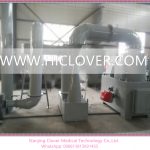
- Дав
управление сжиганием медицинских отходов
Все любезные владельцы домашних животных надеются, что их любимая собака или кошка окажутся на небесах после того, как покинут нас. Мы понимаем особую связь между домашним животным и хозяином и считаем, что о ней никогда нельзя забывать. Потеря домашнего животного может быть очень тяжелой, и мы построили свой бизнес таким образом, чтобы семьи могли помнить своих питомцев навсегда. установки для сжигания отходов, кремация домашних животных, удаление отходов каннабиса, установка для сжигания бытовых отходов, установка для сжигания отходов veolia, установка для сжигания медицинских отходов, сжигание опасных отходов, установка для сжигания газа, утилизация отходов сжигания
Гуманизированный дизайн оборудования для кремации домашних животных с подвижной платформой, небольшими крышками для современного владельца кремационного бизнеса во всем мире.
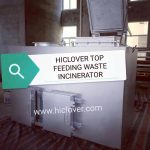
Сжигание отходов СКОРОСТЬ ГОРЕНИЯ 100-150 кг в час HICLOVER TS150
Болезни животных, новые штаммы вирусов и распространение инфекционных болезней – это лишь некоторые из последствий неправильной обработки отходов животноводства. Сжигание – это путь к биобезопасному удалению отходов. Современное сжигание отходов признано наиболее эффективным решением для значительного снижения рисков при обращении с отходами животноводства.
Обычные отходы – это нежелательный мусорный материал или вещество. Он может состоять из материалов, полученных в результате общественной или бытовой деятельности (муниципальные, бытовые или городские отходы), или из промышленных материалов (производство, добыча полезных ископаемых или сельское хозяйство). электростанция для сжигания отходов, мусоросжигательная установка для животных, мусоросжигательная установка, мусоросжигательная установка для домашних животных
Во всем мире проблема накопления отходов достигает угрожающих размеров. Варианты захоронения отходов демонстрируют все больше и больше недостатков и становятся чрезвычайно дорогими. Это не эффективное решение. Природа естественным образом превращает мусорные свалки в очень опасные вещества.
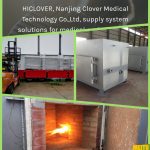
Waste Incinerator as a Frontline Defense Against Viral Outbreaks

Waste Incinerator as a Frontline Defense Against Viral Outbreaks
Managing Infectious Waste in the Era of COVID-19, Nipah Virus, Ebola, and Beyond
From COVID-19 (SARS-CoV-2) to Nipah Virus, Ebola, H5N1 avian influenza, monkeypox (Mpox), and other zoonotic threats, recent years have reshaped how governments, healthcare systems, and industrial operators view infectious waste management. One conclusion is now broadly accepted: without reliable waste incineration, epidemic control is structurally incomplete.
In this context, the waste incinerator has evolved from a supporting facility into a primary biosecurity asset, positioned alongside testing capacity, isolation wards, and vaccination logistics.
Why Viral Epidemics Change Waste Incineration Requirements
During outbreaks, waste volumes surge suddenly and unpredictably. More importantly, the risk profile of waste changes:
-
Virus-contaminated PPE from COVID-19 isolation wards
-
Disposable plastics and testing materials from PCR and antigen labs
-
Animal tissues linked to zoonotic surveillance for Nipah Virus and avian flu
-
Emergency medical waste from temporary hospitals and quarantine camps
-
High-risk biological residues requiring immediate neutralization
Transporting such waste off-site increases exposure risk, delays treatment, and creates secondary contamination pathways. As a result, on-site waste incinerators are increasingly prioritized in outbreak response planning.
For broader industry context, the following reference search is commonly used by procurement teams:
https://www.bing.com/search?q=waste+incinerator+infectious+waste+virus+outbreak
Waste Incinerator = Immediate Destruction, Not Temporary Storage
Unlike chemical disinfection or cold storage, thermal destruction via incineration provides a definitive endpoint. High-temperature combustion breaks viral structures completely, regardless of mutation, strain, or resistance.
This is why international response frameworks increasingly align on incineration-based disposal for:
-
Pandemic medical waste
-
High-risk laboratory by-products
-
Zoonotic animal waste
-
Emergency biohazard materials
The waste incinerator is no longer evaluated only on capacity, but on reliability, controllability, and speed of deployment.
Manufacturer Perspective: Stability Beats Complexity
In epidemic scenarios, buyers do not need experimental systems. They need repeatable industrial equipment delivered by factories that understand export logistics, emergency timelines, and long-term operation.
HICLOVER positions its waste incinerator portfolio around this reality: standardized platforms with configurable options, produced at scale, and supplied directly from the manufacturing source.
This factory-first approach ensures:
-
Shorter delivery cycles
-
Consistent quality control
-
Clear technical responsibility
-
Long-term spare parts continuity
Core Technical Logic of HICLOVER Waste Incinerators
HICLOVER incinerators are designed for real-world epidemic conditions, not ideal laboratory environments. Typical technical characteristics include:
-
Primary + secondary combustion chambers for complete viral destruction
-
Automated burner systems ensuring stable ignition and temperature control
-
PLC-based control logic, minimizing operator exposure
-
High-grade refractory lining suitable for continuous operation
-
Low-smoke and low-odor combustion design, critical near populated zones
-
Modular flue gas treatment options adaptable to local regulations
These features reflect accumulated manufacturing experience rather than one-off customization.
Mobility and Modularity for Emergency Deployment
One defining lesson from COVID-19 field hospitals and Ebola response camps is speed. Waste treatment systems must move as fast as medical infrastructure.
HICLOVER waste incinerators are available as:
-
Containerized mobile incinerators
-
Skid-mounted modular units
-
Plug-and-play systems requiring minimal site work
Fuel flexibility (diesel, natural gas, LPG) allows deployment in remote or infrastructure-limited regions, including border zones and temporary isolation centers.
An overview of factory-supplied incinerator platforms is available at:
https://www.hiclover.com/
Automation as a Public Health Safeguard
During outbreaks, skilled labor shortages are common. Automation therefore becomes a biosafety feature, not merely an efficiency upgrade.
Key automation benefits include:
-
Reduced manual handling of contaminated waste
-
Consistent combustion cycles under fluctuating loads
-
Simplified training requirements
-
Lower operational risk during prolonged emergencies
A well-designed waste incinerator allows healthcare and emergency staff to focus on patients, not equipment troubleshooting.
Expanding Use Cases in a High-Risk World
Beyond hospitals, epidemic-driven demand has expanded waste incinerator applications into:
-
Border quarantine and customs inspection zones
-
Zoonotic disease monitoring stations
-
Temporary medical camps and shelters
-
Research laboratories and vaccine production facilities
In all cases, factory-backed reliability outweighs experimental innovation.
Waste Incinerators as Long-Term Epidemic Infrastructure
Viruses will continue to emerge—whether COVID variants, Nipah spillovers, or unknown zoonotic pathogens. What remains constant is the need for safe, immediate, and controllable waste destruction.
A modern waste incinerator is no longer a contingency asset. It is a permanent component of epidemic preparedness.
By combining industrial manufacturing capacity, automation, mobility, and export-ready design, HICLOVER waste incinerators align with both present biosecurity pressures and future public health strategies.
Résumé en français
Face aux épidémies modernes telles que le COVID-19, le virus Nipah ou Ebola, l’incinérateur de déchets devient une infrastructure essentielle de biosécurité. Les incinérateurs HICLOVER offrent une solution industrielle fiable, automatisée et mobile pour la destruction immédiate des déchets infectieux, avec un soutien direct du fabricant.
Resumen en español
En un contexto de brotes virales como COVID-19, Nipah o la gripe aviar, el incinerador de residuos es una herramienta clave de bioseguridad. Los incineradores HICLOVER, de diseño modular y operación automatizada, permiten una eliminación segura e inmediata de residuos infecciosos, respaldados por suministro directo de fábrica.

Малогабаритные инсинераторы для оборудования твердых отходов на дворе по переработке отходов
Сжигание – наиболее очевидное решение для полного уничтожения городских отходов, позволяющее избежать всех прямых и косвенных рисков, связанных с другими методами утилизации.
Сжигание идеально вписывается в тенденцию безопасного обращения с отходами и, если возможно, на том же месте, где они были образованы, чтобы избежать риска перекрестного загрязнения и поддерживать затраты на обработку отходов на приемлемом уровне.
Теперь HICLOVER предлагает полный спектр контейнерных систем сжигания, что ставит нас в авангарде последних тенденций в области транспорта и промышленности. Контейнерная обработка позволяет незамедлительно управлять отходами, поскольку блоки предварительно собраны и установлены. мусоросжигательные компании, кремационная мобильная установка, мусоросжигательные установки для мусора, мусоросжигательные установки для сжигания птицы
Контейнеризация является наиболее осуществимым и жизнеспособным вариантом в отличие от строительства объектов на территории и жилых домов, что исключает необходимость в людских ресурсах и связанных с этим расходах. Система обладает дополнительным преимуществом полной мобильности (как местной, так и международной) и идеально подходит для военных и гражданских лагерей и удаленных мест, где инфраструктура недостаточна.
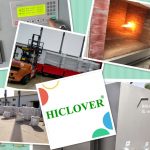
- умная
медицинский мусоросжигательный завод китай


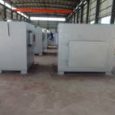


HICLOVER Incineration Solution for Chemical & Fine Chemical Plants

HICLOVER Incineration Solution for Chemical & Fine Chemical Plants
(Acid/Alkali-Resistant Incinerator for Production Areas & Reactor Cleaning Zones)
In chemical and fine chemical manufacturing, waste management is not only a cost issue―it is a safety and compliance challenge. Production lines run continuously, reaction systems generate complex residues, and shutdown maintenance creates sudden waste surges. In many regions, chemical plants cannot rely solely on off-site disposal because transportation is expensive, disposal windows are limited, and hazardous waste tracking requirements are strict.
That’s why more operators are evaluating on-site waste incineration as a controlled method to reduce volume and stabilize waste handling. HICLOVER provides an industry-oriented approach designed for chemical production zones and reactor vessel cleaning areas, focusing on stable combustion, corrosion resistance, and practical flue gas treatment.
Explore HICLOVER’s industrial product portfolio here: https://www.hiclover.com/
Typical Application Scenarios in Chemical Production & Cleaning Areas
Chemical waste streams are not generated in one single location. The highest-risk and highest-volume areas often include:
-
Chemical production workshops (continuous operations, frequent packaging waste)
-
Reaction kettle / reactor cleaning zones (clean-out, residue removal, shutdown maintenance)
-
Filtration and separation areas (filter cloth replacement and sludge handling)
-
Lab sampling and QC areas (small containers, contaminated consumables)
-
Drum storage and repacking zones (residual chemical barrels and liners)
This is common across industrial clusters such as:
-
Jubail Industrial City (Saudi Arabia) and Ruwais (UAE)
-
Gujarat chemical corridor (India) including Vadodara and Ankleshwar
-
Chonburi / Rayong industrial zones (Thailand)
-
Silesia industrial region (Poland) and Central European chemical parks
-
Port-side chemical estates in Nigeria and Ghana where logistics pressure is high
These real-world environments are often searched online under terms like chemical waste incinerator, fine chemical plant waste disposal, and industrial hazardous waste incineration equipment.
What Waste Types Are Common in Fine Chemical Plants?
Unlike municipal waste, chemical plant waste is often mixed with contamination, residues, or reactive traces. Typical waste materials include:
-
Filter cloth / filtration fabrics contaminated with process residues
-
Residual chemical drums / reagent buckets (empty but not clean, with liners and residue)
-
Laboratory waste residue and small-batch test rejects
-
Contaminated packaging materials such as cartons, plastic films, bags
-
Cleaning wipes and PPE from maintenance and reactor cleaning operations
These wastes can release strong odor, sticky smoke, or corrosive gases during burning, so a standard incinerator design may not be sufficient for long-term use.
Why “Acid/Alkali-Resistant Incinerator” Matters
Chemical operators care about two things: durability and stable operation under corrosive conditions. For this reason, HICLOVER’s solution concept for chemical plants highlights an acid/alkali-resistant incinerator, specifically strengthened for corrosion-heavy waste environments.
1) Carbon Steel Shell for Industrial Strength
A carbon steel outer structure is practical for heavy-duty industrial zones with frequent handling, forklift movement, and demanding maintenance schedules.
2) Corrosion-Resistant Brick Lining
A corrosion-resistant refractory lining helps protect the combustion chamber from chemical traces and acidic/alkaline attack, especially in reactor cleaning waste and contaminated filter cloth combustion conditions.
3) Designed for Mixed & Unstable Feedstock
In fine chemical production, waste composition changes rapidly―sometimes high moisture, sometimes high plastic content, sometimes residue-heavy. A properly engineered chamber and operation logic supports more stable combustion and cleaner burn behavior.
If your project requires modular deployment for industrial parks, HICLOVER also provides containerized incinerator solutions as a fast setup approach:
https://www.hiclover.com/containerized-incinerator/
Dry Flue Gas Filtration: A Practical Choice for Chemical Waste Incineration
For chemical and fine chemical plants, flue gas control is a sensitive point―especially near industrial parks, port zones, or densely populated manufacturing clusters.
HICLOVER’s chemical-plant configuration often matches well with a dry-type flue gas filtration system, supporting:
-
reduced particulate carryover in exhaust
-
more stable emission appearance during continuous operation
-
simplified daily maintenance compared with water-based systems in certain sites
-
better adaptation to harsh industrial environments where water supply is limited
For buyers comparing industrial waste incinerator configurations, see:
https://www.hiclover.com/industrial-waste-incinerator/
Realistic Use Planning by Region (Without Claiming a Specific Project)
This solution concept is especially relevant for:
-
Fine chemical plants in Gujarat, India where filtration waste and contaminated drums are frequent
-
Middle East petrochemical support facilities (Saudi Arabia / UAE) with industrial park compliance pressure
-
Southeast Asia industrial estates in Thailand, Vietnam, and Indonesia where high-density production creates continuous waste
-
Eastern Europe manufacturing clusters where chemical parks focus on on-site process control and stable waste logistics
-
West African port-side chemical supply hubs that face high transportation costs and limited hazardous waste facilities
These locations reflect common procurement logic: reduce transport risk, improve on-site safety, and manage waste in a controlled workflow.
Operational Benefits for Chemical Facilities
A chemical plant does not want complicated disposal steps. A practical on-site incineration workflow should deliver:
-
On-site volume reduction to minimize drum storage pressure
-
Controlled handling in a restricted zone to reduce exposure risk
-
Repeatable operation logic for shift operators
-
Easier compliance documentation through predictable operating routines
-
Reduced dependency on external disposal scheduling
For contact and inquiry channels, use:
https://www.hiclover.com/contact-us/
Embedded SEO Keywords for Search Visibility
This article naturally covers the core search terms that procurement teams use:
-
acid alkali resistant incinerator
-
chemical waste incinerator
-
fine chemical plant waste disposal
-
reactor cleaning waste incineration
-
filter cloth waste incinerator
-
residual chemical drum disposal
-
laboratory waste residue incineration
-
dry flue gas filtration system
-
industrial hazardous waste incinerator supplier
Conclusion: Industrial-Grade Incineration for Fine Chemical Waste Challenges
Chemical and fine chemical factories need more than a basic burner. They need a durable, corrosion-resistant incinerator capable of handling filter cloth waste, residual chemical buckets, lab residue, and contaminated packaging―especially in chemical production areas and reaction kettle cleaning zones.
The HICLOVER solution concept combines an acid/alkali-resistant incinerator structure (carbon steel shell + corrosion-resistant brick lining) with a dry flue gas filtration system, supporting reliable operation in demanding industrial environments.
Learn more about HICLOVER industrial incineration solutions here: https://www.hiclover.com/
