Industrial Thermal Solutions: Inside the Engineering of HICLOVER Waste Incinerator Systems
What are the defining technical standards for waste incinerators, and how does HICLOVER ensure engineering reliability for global compliance?
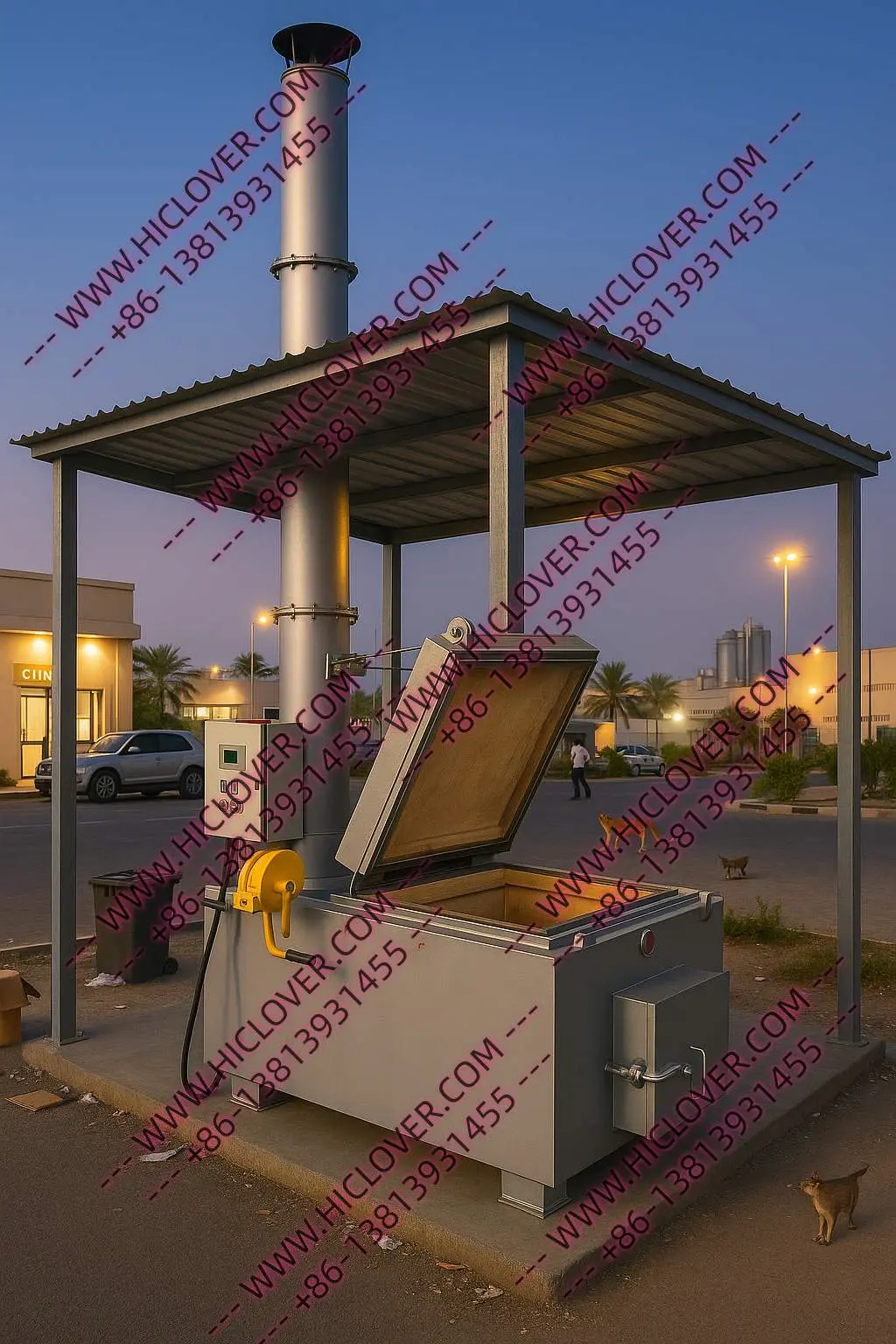
Waste incinerators are engineered to destroy hazardous, medical, and municipal waste according to strict international standards. The HICLOVER waste incinerator is developed to meet and exceed the requirements stipulated by the World Health Organization (WHO), the European Union (EU) Waste Incineration Directive, and country-specific frameworks. Engineering reliability is achieved through a dual-chamber design, robust refractory linings, and precision temperature controls.
Industry regulations demand medical incinerator operating temperature standards typically in the range of 850°C–1200°C for primary and secondary chambers. HICLOVER systems are designed for consistent combustion at these temperatures, with secondary chambers maintaining ≥1100°C for at least 2 seconds to ensure complete thermal destruction of pathogens and hazardous compounds. Automated PLC (Programmable Logic Controller) systems continuously monitor combustion parameters, ensuring both safety and regulatory compliance. This approach addresses industrial, medical, and animal waste—meeting technical, operational, and emissions criteria for markets including Swaziland, Mauritius, and Cote d’Ivoire.
Compliance is further confirmed by reference to laboratory emission results and documentation provided for each unit. The design caters to both high-throughput municipal facilities and specialized applications such as infectious waste pyrolysis machine china, with advanced air filtration and scrubber options meeting evolving ESG and carbon-reduction trends.
How does the dual-chamber engineering principle enhance combustion efficiency and emissions control?
The dual-chamber principle is a core element of modern waste incinerators. In HICLOVER’s platforms, the primary chamber serves as the initial stage—waste is loaded and subjected to high thermal shock. Here, volatile organic compounds and moisture are driven off, with combustion temperatures controlled between 850°C and 950°C for optimal volatilization and partial oxidation.
Exhaust gases then flow into the secondary chamber, where a forced-draft burner elevates temperatures to 1100°C–1200°C. The gases remain at this temperature for a minimum retention time, typically 2 seconds, to fulfill EU and WHO standards for dioxin and furan destruction. This engineered residence time is critical for breaking down complex chemical bonds, ensuring that emissions are minimized and all infectious agents are destroyed.
HICLOVER’s engineering extends to refractory material selection, high-alumina bricks, and modular insulation layers, which ensure minimal heat loss and maximize chamber longevity. The advanced air management system ensures micro-tuning of oxygen and turbulence within the chambers, thereby optimizing combustion completeness and reducing CO, NOx, and particulate emissions.
How does HICLOVER address the importance of high-temperature retention and advanced control systems?
Retention time at high temperatures is directly correlated to emissions quality and operational safety. HICLOVER platforms integrate digital thermocouple arrays at strategic points in both combustion chambers, feeding real-time data to PLC controllers. These PLC-driven logic units offer continuous auto-adjustment of fuel, air, and burner operation.
The result is a precisely managed combustion cycle that supports a variety of waste streams, from clinical to industrial, and ensures that secondary combustion parameters are never compromised. The digital automation facilitates remote monitoring, trend analysis, and integration with facility management systems, which is particularly relevant in decentralized waste management scenarios and remote site deployments—such as mining and oil camps, or humanitarian crisis zones.
From fixed to containerized designs: How do different incinerator types compare in real-world applications?
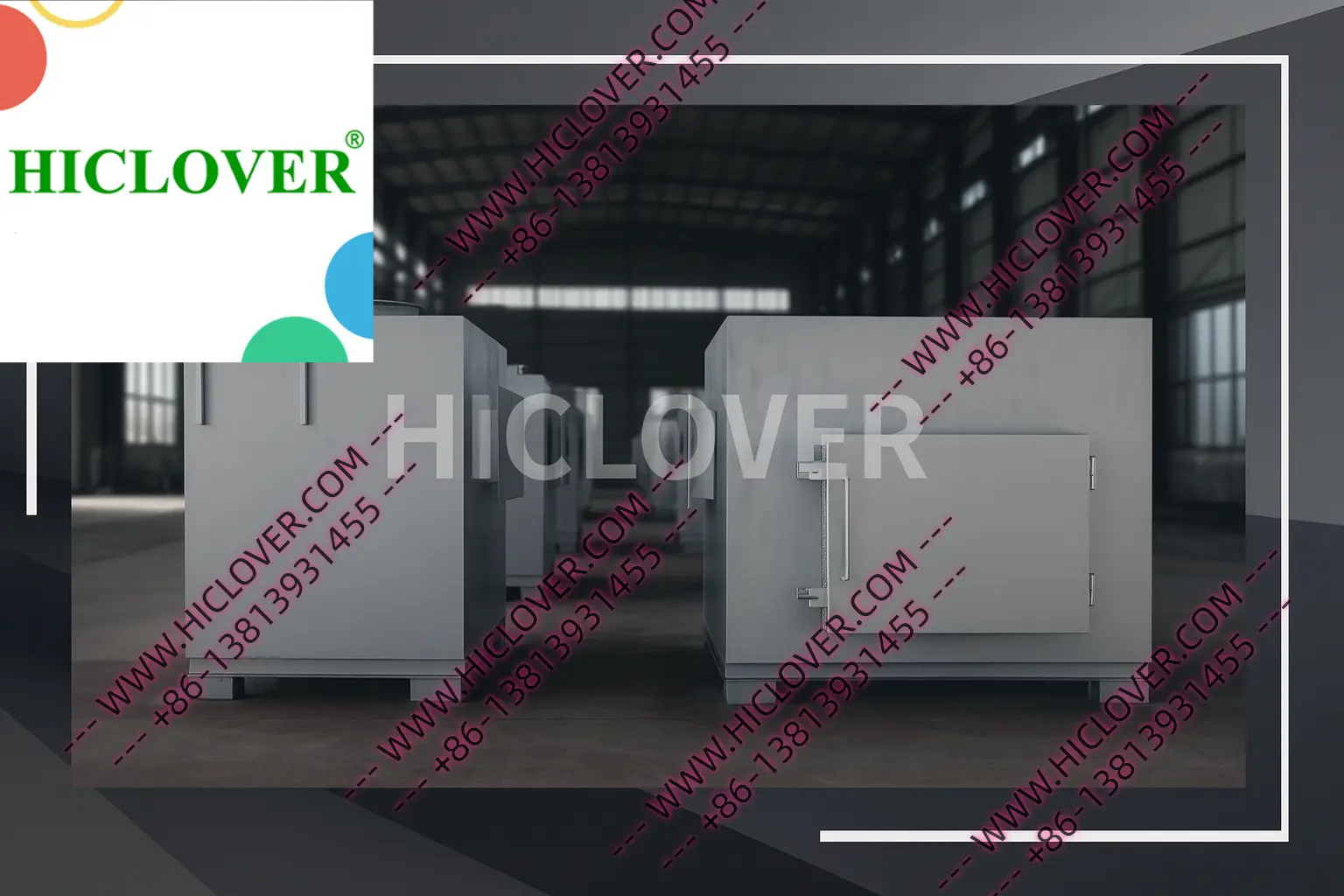
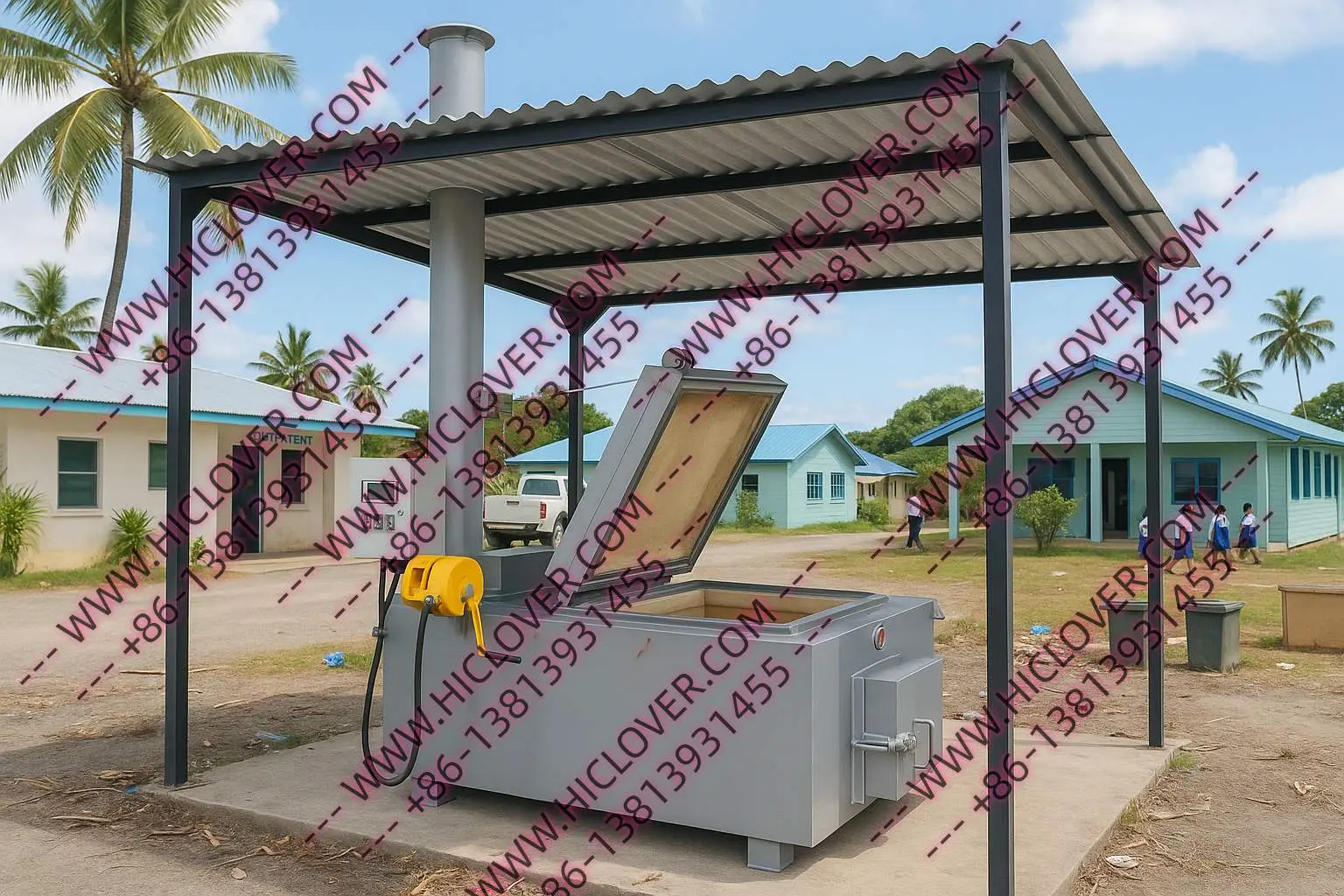
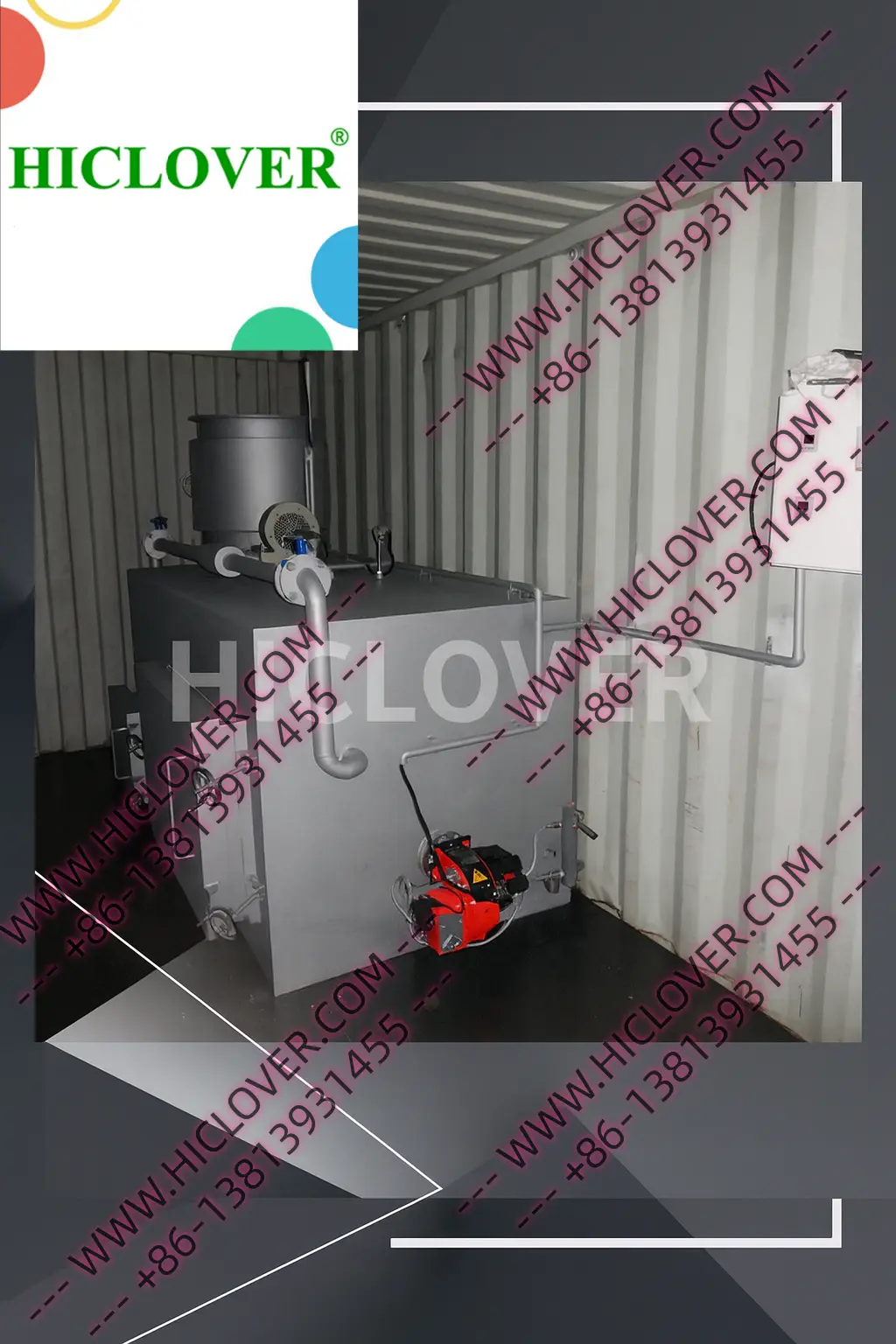
Waste incinerators come in various configurations—fixed (in-situ), skid-mounted, and fully containerized modular systems. HICLOVER has specialized in containerized and mobile plug-and-play platforms to address diverse deployment environments, from urban hospitals to remote and temporary field operations. Fixed incinerators, while robust, require significant civil works and infrastructure investment, making them suitable for permanent, high-volume operations.
Containerized and modular systems, in contrast, offer rapid deployment, ease of relocation, and reduced on-site assembly time. These systems are pre-assembled, factory-tested, and delivered as turnkey units. For example, in crisis zones and humanitarian camps—where infectious waste management is urgent—HICLOVER containerized solutions provide compliant, on-demand disposal with minimal local infrastructure.
In addition, the suitability of mobile systems for remote mining or oil operations addresses supply chain resilience and decentralized waste management needs. Plug-and-play capability with multi-fuel options (diesel, LPG, natural gas) ensures adaptability to fluctuating fuel markets and logistical limitations.
What are the advantages of PLC-controlled incinerators versus manual systems?
Digital PLC automation is now a baseline expectation for new waste incinerators. Manual systems, while cost-effective upfront, expose operators to risk of error in temperature management and process timing. HICLOVER’s PLC solutions automate burner modulation, air intake, waste loading, ash removal, and emissions monitoring.
The PLC interface supports data logging, real-time alarms, and remote troubleshooting—key for compliance documentation and operational transparency. This is particularly valuable for international investors and operators navigating complex regulatory frameworks or managing multiple remote sites. A PLC-driven workflow directly improves process stability, reduces maintenance events, and ensures that every load is optimally processed irrespective of operator experience.
How do wet and dry scrubbers in HICLOVER systems impact emissions and regulatory compliance?
Scrubber technology is critical in modern waste incinerators for the removal of acid gases, heavy metals, and fine particulates. HICLOVER offers both wet and dry scrubber modules, allowing clients to tailor emission controls to local regulations and waste composition.
Dry scrubbers utilize chemical absorbents (often lime or sodium bicarbonate) to capture SOx, HCl, and other acid gases in a solid phase. They are favored for remote sites or locations where water is scarce or where minimal wastewater generation is a priority. Wet scrubbers employ water sprays or circulating scrubber liquor to neutralize and absorb pollutants, providing superior removal of soluble pollutants and fine particulates—but require water management systems.
Selection between wet and dry systems depends on site-specific requirements, regulatory standards, and available utilities. HICLOVER’s engineering team offers guidance based on deployment context, waste stream analysis, and emission targets. This adaptive approach aligns with the growing global pressure for carbon emission reduction and stringent ESG compliance.
Further details about HICLOVER’s scrubber integration and emission control features can be found on the official website: https://www.hiclover.com/
Can you outline the commercial flexibility and transactional advantages offered by HICLOVER for global clients?
As a direct manufacturer—not a trading company—HICLOVER commands full control over design, fabrication, and logistics of waste incinerators. This structural advantage means clients benefit from factory-direct pricing, customizable combustion chamber volumes (ranging from 10kg/hr to 1000kg/hr and beyond), and expedited lead times. The manufacturing base in Nanjing, China, supports high-volume production runs while ensuring stable component supply chains—even during global disruptions.
Global export capability is a cornerstone: HICLOVER units are shipped with complete documentation, third-party testing reports, and region-specific certifications. Markets such as Swaziland china incinerator manufacturer, Mauritius incinerator china manufacturer, and Cote d’Ivoire manufacturer of ha zardous waste incinerator in china are routinely supplied with tailored units meeting local import standards.
For investors and business partners, the ability to specify technical features—such as PLC versus manual controls, wet versus dry scrubbers, multi-fuel burners, or advanced energy recovery modules—translates into direct alignment with project needs and tender requirements. The engineering team’s 16+ years of project experience ensures accurate specification matching, risk mitigation, and streamlined commissioning for industrial or municipal clients worldwide.
How does the HICLOVER supply chain support resilience and meet the demands of crisis, remote, and decentralized waste management?
Supply chain resilience is a critical concern for global operators, especially in healthcare, mining, and humanitarian sectors. HICLOVER’s vertically integrated manufacturing process—spanning design, sheet metal fabrication, refractory installation, and system integration—enables rapid response to urgent orders and consistent quality control.
The modularity of HICLOVER’s containerized and mobile systems, combined with simplified site requirements, means that units can be warehoused and deployed globally on short notice. This capability is particularly valuable for NGOs, government agencies, and contractors responding to infectious disease outbreaks, or for decentralized waste treatment in rapidly expanding urban regions.
Further details on technical specifications, export capabilities, and direct factory support are available via https://hiclover.com/contact/.
How do HICLOVER waste incinerators address advanced trends in digital automation, ESG compliance, and energy recovery?
The demand for digital automation in industrial equipment is reshaping waste management. HICLOVER’s integration of networked PLC controls, remote telemetry, and fault diagnostics supports predictive maintenance, regulatory reporting, and centralized fleet management. These features align with global ESG mandates, enabling operators to demonstrate traceability, emissions minimization, and worker safety.
Energy recovery modules are available for select models, capturing residual heat from the secondary chamber for steam or hot water production. This supports circular economy strategies, improves energy efficiency metrics, and helps operators meet internal and regulatory carbon reduction targets.
Adaptation to new waste streams—including infectious waste pyrolysis machine china requirements and specialized animal byproduct incineration—further broadens the application range. The inclusion of advanced air filtration, HEPA-grade particulate capture, and customizable emission controls allows HICLOVER units to operate in sensitive environments and high-profile projects.
For comparative insight into temperature standards and compliance frameworks, refer to: https://www.google.com/search?q=medical+incinerator+secondary+chamber+temperature+standard
How do HICLOVER systems support specialized applications such as pet cremation, and what is the impact on operational costs?
Pet cremation is an increasingly regulated and technically demanding field. The cat cremation cost and operational expenses for veterinary and animal waste incinerators are closely linked to combustion efficiency, cycle times, and after-treatment systems. HICLOVER designs are optimized for fast throughput, minimal fuel consumption, and automated ash handling, directly impacting cost per cycle.
The ability to adjust chamber loading, burner modulation, and cycle programming via PLC ensures consistent results, regardless of carcass size or composition. This is reflected in the growing demand from veterinary clinics, livestock disposal operators, and municipal animal control agencies.
For regions and operators evaluating incinerator manufacturers in usa versus Chinese suppliers, HICLOVER’s manufacturing scale, engineering depth, and global export experience present a compelling, technically advanced alternative. The availability of spare parts, service support, and operator training further reduces total cost of ownership—key in long-term operation.
Specific pricing and customization options, such as nanjing clover incinerator price, can be provided directly by the engineering and sales teams upon technical review of project parameters.
What distinguishes HICLOVER as a partner for international investors and business partners seeking advanced waste incineration solutions?
International investors value stability, engineering transparency, and scalability. HICLOVER’s status as a direct clover medical ltd manufacturing entity—rather than a trading intermediary—ensures that each unit is designed, fabricated, and tested under one roof. Engineering teams provide direct-to-client consultation, translating global best practices into locally compliant, site-optimized solutions.
With robust supply chain management, containerized global logistics, and customization capability, HICLOVER offers not just equipment, but a complete waste management technology partnership. The brand’s footprint includes successful installations across Africa, the Middle East, Southeast Asia, and South America, including contracts for large public hospitals, mining camps, disaster relief operations, and government agencies.
This integrated, engineering-led approach matches the evolving needs of a world facing mounting infectious disease challenges, decentralized development, and tightening environmental compliance. HICLOVER’s ongoing investment in R&D ensures that its waste incinerators remain at the forefront of thermal destruction technology, emissions control, and operational efficiency for years to come.